The Ultimate Guide to Navigating the Steel Stock Market: From Suppliers to Sourcing
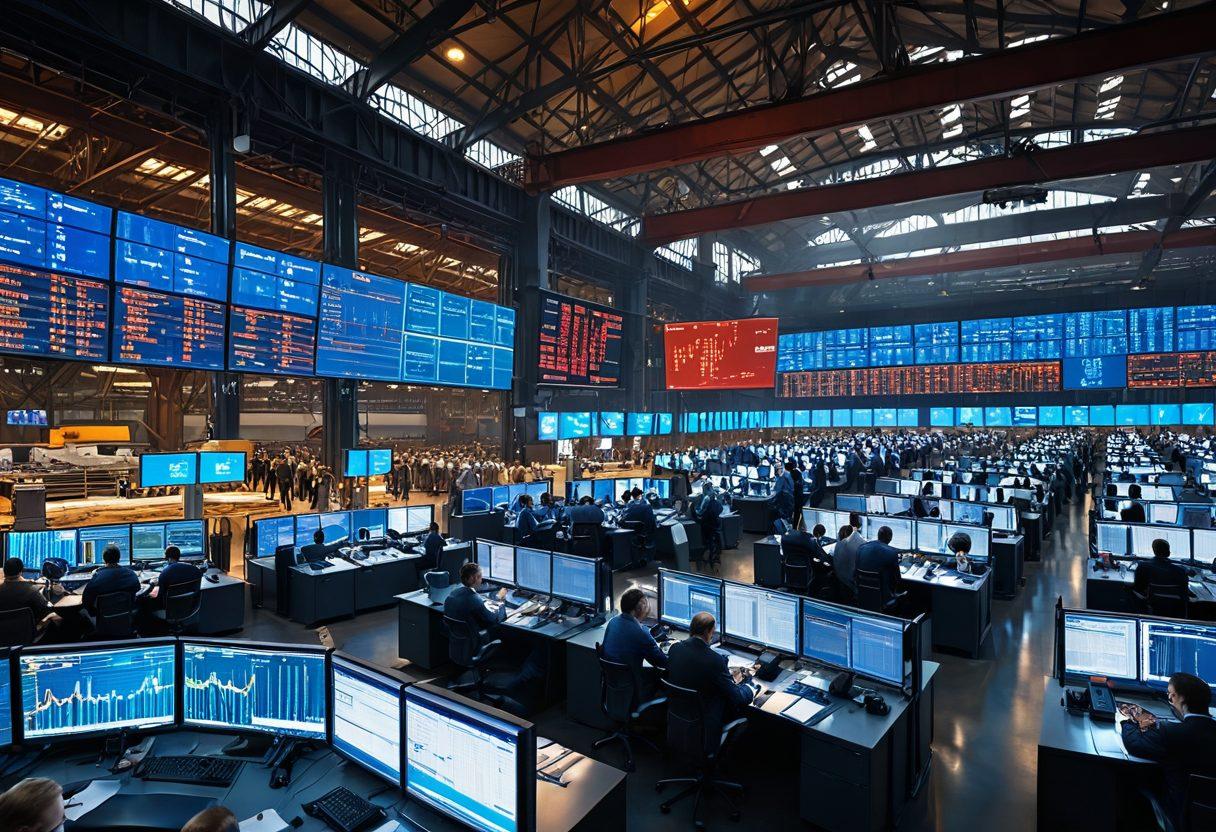
The steel market is a complex and dynamic network that has been evolving for centuries. With its integral role in both industrial and construction sectors, understanding the key players and distribution channels in the steel industry is crucial for anyone looking to navigate the metal market effectively. Whether you are a buyer looking for high-quality steel products or a trader aiming to capitalize on fluctuating prices, comprehending the landscape of steel suppliers and the paths through which these materials travel can mean the difference between success and failure. So, where do you start? How can you identify reliable steel suppliers and ensure a steady flow of steel stock to your projects?
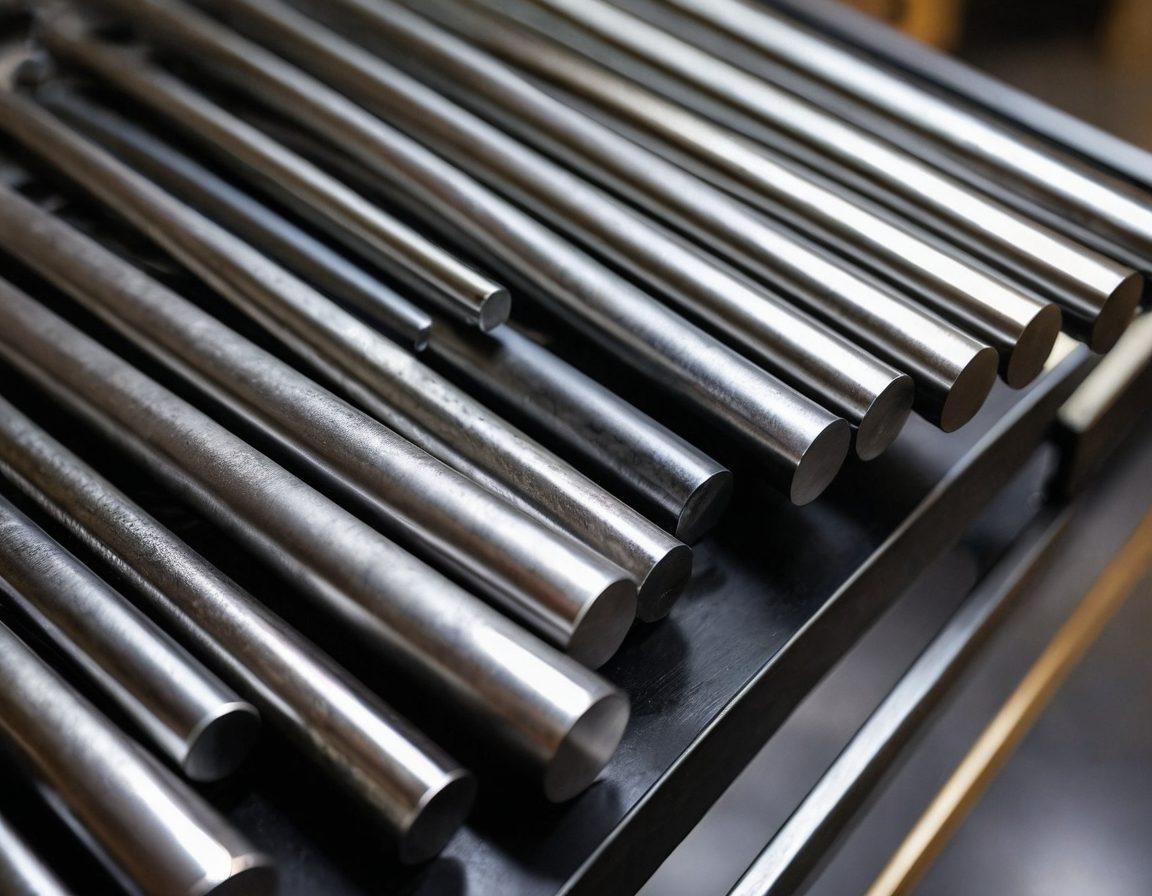
First and foremost, it's essential to distinguish between various types of steel products. From stainless steel and carbon steel to hot rolled and cold rolled steel, each category has its specific characteristics and applications. For instance, construction steel like steel beams and steel bars are indispensable in building infrastructure, whereas specialty steels like tool steel and alloy steel are more prevalent in manufacturing processes. The variety of steel profiles such as steel rods, steel pipes, steel sheets, and steel plates ensure that there is a suitable material for every project, but understanding their differences is key to making informed procurement decisions.
The heart of the steel market lies with the suppliers and distributors who ensure that these valuable materials reach different industries. Steel suppliers range from large-scale steel manufacturing giants to smaller steel wholesalers and steel merchants who cater to niche markets. Major suppliers usually oversee every step from steel production to steel distribution, managing massive steel warehouses filled with various steel stocks. On the other hand, local steel dealers and steel traders often focus on specific regions or smaller quantities, offering more personalized steel services and faster turnaround times. Whether you're sourcing construction steel for a skyscraper or industrial steel for machinery, knowing which suppliers to approach can save you time and money.
The distribution channels of steel involve a web of complex logistics, from steel warehouse storage to transportation networks that span the globe. Steel importers and steel exporters play a significant role in balancing supply and demand across different countries. For businesses relying on a constant supply of steel materials, understanding these distribution chains is vital. Consider the example of a construction company in need of steel beams and galvanized steel; they will need to collaborate with reliable steel wholesalers that can provide consistent and timely deliveries. This could mean the difference between a project that meets its deadline and one that doesn't.
Lastly, the evolving trends in the steel industry, such as steel recycling and advancements in steel fabrication, add another layer to the procurement and sourcing process. The rise of sustainable practices in steel manufacturing and the increasing demand for recycled steel not only benefit the environment but also offer cost-saving opportunities for businesses. Cold rolled steel and hot rolled steel each have their specific uses, and staying updated on market changes can help businesses make strategic decisions. The steel trade is a bustling and competitive field, but with the right knowledge, navigating the steel stock market can become a more manageable and rewarding endeavor.
From Stainless to Carbon: Sourcing the Right Steel for Your Needs
In the vast and dynamic world of steel, finding the right type of steel for your project's specific needs can be a daunting task. Imagine staring at rows of steel bars, steel pipes, and stacks of steel plates in a sprawling steel warehouse. How do you ensure you're choosing the right material for your construction, manufacturing, or industrial project? This guide will take you on a journey through the essential aspects of sourcing steel, from understanding the differences between stainless steel and carbon steel to navigating the complex network of steel suppliers and steel distributors.
First things first, let's break down the types of steel and their primary uses. Stainless steel, known for its corrosion resistance and shiny appearance, is often the material of choice in industries like food and beverage, pharmaceuticals, and high-precision instruments. On the other hand, carbon steel offers excellent strength and durability, making it ideal for construction steel and industrial steel applications. When we talk about steel products, the most common forms include steel bars, steel sheets, steel beams, and steel profiles. Each type, whether alloy steel, cold rolled steel, or hot rolled steel, comes with its specific benefits and applications.
So, how do you find reputable steel suppliers who can meet your particular requirements? The steel stock market can seem intimidating at first glance, but a little research goes a long way. Start by exploring local steel wholesalers and steel merchants, who often carry a wide range of metal stock. Steel supply can vary significantly from one region to another, so it's crucial to find steel dealers who can provide consistent quality and timely steel distribution. Many steel traders and steel importers offer valuable insights into market trends, helping you make informed steel procurement decisions.
One of the critical steps in sourcing the right steel is understanding the specifications of your project. Are you looking for structural steel to support a building frame, or do you need galvanized steel for enhanced rust resistance? Perhaps you're interested in steel pipes for plumbing or steel sheets for roofing. Engaging in detailed conversations with your steel suppliers and steel manufacturers can help you clarify these needs. Ask questions about steel services like cutting, fabrication, and steel recycling. These extras can save you time and money in the long run, ensuring that your steel inventory is precisely what you need.
In a rapidly changing steel market, staying informed about trends and innovations can give you a competitive edge. Regularly check steel trade publications, join industry networks, and attend trade shows focused on steel production and steel hardware. As the demand for sustainable materials grows, consider the benefits of steel recycling and choose suppliers who prioritize environmental responsibility. By keeping a pulse on the steel industry, you can navigate the complexities of steel sourcing with confidence, ensuring your projects are built on a foundation of the highest quality steel materials.
Navigating Steel Inventory: Tips for Efficient Procurement and Supply Chain Management
Navigating steel inventory can feel like juggling with molten metal if you don't have the right approach. Efficient procurement and supply chain management are paramount for anyone dealing in steel, whether you are a major industrial player or a small construction firm. So, are you ready to turn that tangled mess of steel stock into a well-oiled machine? Let's dive into some strategic tips that will help you streamline your steel procurement and supply chain processes.
First and foremost, understanding your steel needs is crucial. Different projects and applications require specific types of steel like stainless steel, carbon steel, or galvanized steel. Imagine a bridge built with the wrong kind of steel—it's not just a logistical nightmare but also a safety hazard. Conduct a thorough analysis of your requirements before reaching out to steel suppliers. This will not only save you time and resources but also ensure you have the right steel materials on hand every time.
Next, establish strong relationships with dependable steel suppliers and steel wholesalers. Have you ever heard the saying, 'A chain is only as strong as its weakest link'? Your supply chain is no different. Reliable steel merchants can provide high-quality steel products consistently, allowing you to maintain a solid inventory. Moreover, these relationships can offer you leverage in negotiations on prices and delivery times, making your steel procurement process much smoother.
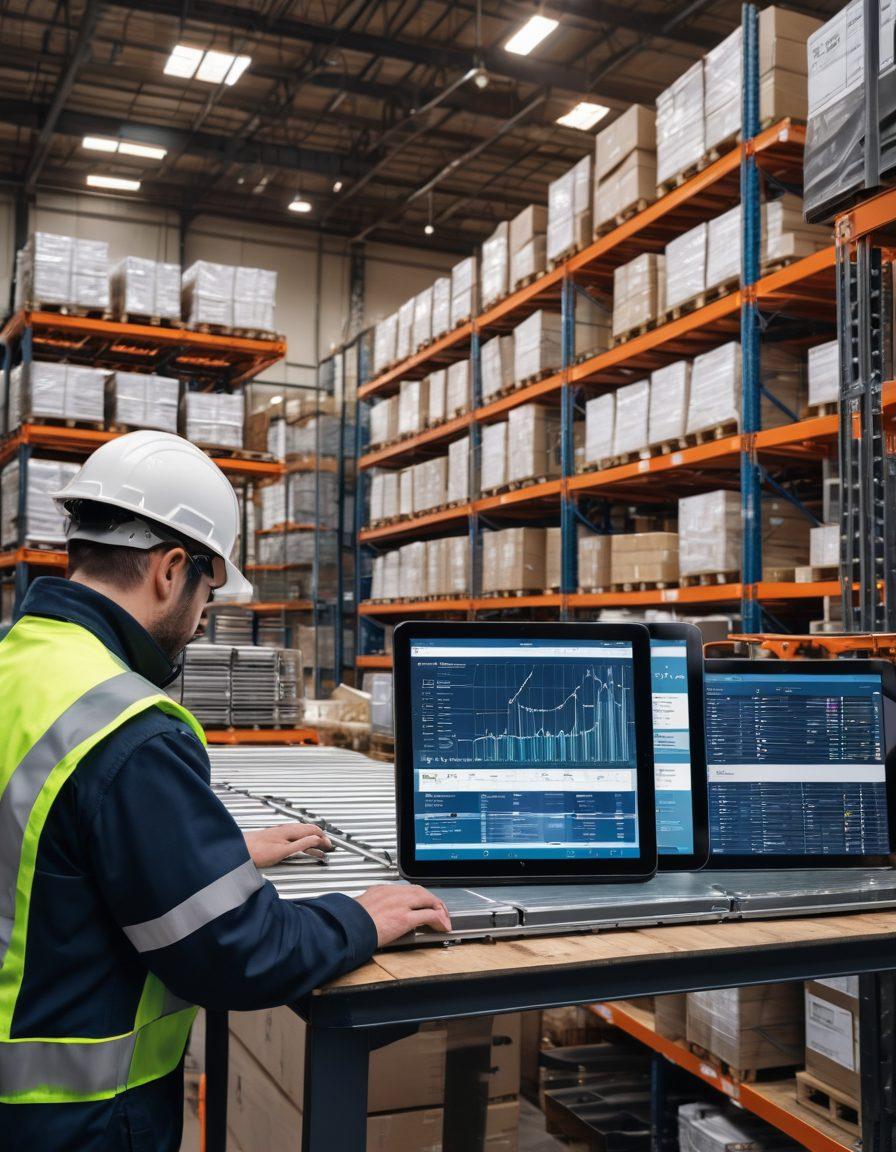
Inventory management is another cornerstone of efficient steel distribution and supply chain management. Make use of modern inventory management software to keep track of your metal stock. Whether it’s steel bars, steel pipes, or steel sheets, knowing what you have and when you'll need more is critical. Automated alerts for low stock levels and data analytics can also help you predict future needs and avoid overstocking, which is especially important for steel warehouse management.
Sustainability is becoming increasingly important in the steel industry. Considering the environmental impact of steel production and procurement, prioritizing steel recycling can be a game changer. Recycled steel doesn't just reduce waste but is also cost-effective. Incorporating recycled steel procurement into your supply chain not only aligns with global sustainability goals but also appeals to environmentally conscious clients. So, are you ready to add sustainability to your list of priorities?
Lastly, always stay updated with the latest trends and changes in the steel market. The industry is ever-evolving with technological advancements and geopolitical shifts impacting steel trade and steel production. Staying informed will help you make proactive decisions and adapt quickly to changes. Joining industry forums, attending trade shows, and subscribing to relevant publications can keep you in the loop and ahead of the curve in a competitive market.